






We are committed to understanding and addressing patients’ needs and expectations by involving patients and affected persons in our work. Their perspectives help us shape GHGA’s governance, communication and activities around genomic data sharing.
The collection, storage and sharing of human genomic and other omics data raises not only scientific and technical questions, but also ethical and societal ones. People whose data may be used for research should therefore have an opportunity to contribute to discussions about how these data are managed and shared.
Involving patients in research and governance enhances transparency and accountability while improving research outcomes by aligning them with patient needs. This ultimately leads to better patient care. By involving patients in the governance of GHGA as well as in communication measures, we aim to enhance transparency and enable those affected to take an active role in discussions about their data.
GHGA engages with patients and patient representatives through different formats and at different stages of its work. Our activities include deliberative forums, dialogue events and exchanges with established patient organisations and advisory bodies.
One milestone was the participatory PaGODA study (Patients’ perspectives on Governance of an Omics Data Archive). In two deliberative forums, 26 people from the rare disease and cancer communities shared their views and needs regarding transparent and trustworthy governance of genomic data archives, specifically the German Human Genome-Phenome Archive (GHGA). A follow-up dialogue event between patients and GHGA members led to a consensus on how to implement meaningful patient involvement. The results of the discussion were published in a white paper. The implementation of the PaGODA study were further evaluated in a research article, providing insights into how patient perspectives can be meaningfully incorporated into the governance of genomic data archives.
The findings showed that meaningful patient involvement requires more than simply asking for patients’ opinions. Participants discussed why involvement matters, what concerns they have, which areas of governance should include patient perspectives, what resources are needed, and how patient representation should be organised.
In 2025, GHGA also conducted focus groups with patients, affected persons and interested members of the public to better understand their needs and expectations regarding communication about genome medicine, genome research and genome data sharing. The insights contributed to the development of the information portal “Meine Genomdaten. Teilen und helfen.”. They helped shape the content and structure of the website, ensuring that it addresses questions and uncertainties that may arise in this situation.
Patient involvement is an ongoing process. GHGA therefore continues to seek opportunities for dialogue and collaboration. In July 2026, GHGA met with the Patient Advisory Board for Cancer Research at the German Cancer Research Center (DKFZ). The exchange focused on the newly launched information portal as well as sharing and use of genomic data in general. This exchange builds on the established structures for patient involvement at the DKFZ, GHGA’s coordinating institution. It provides an ongoing opportunity for dialogue with patients and patient representatives.

The exchange focused on how patients’ perspectives can help improve the clarity and accessibility of processes related to the sharing and use of genomic data.
Learn more
GHGA has launched a new service designed to help patients and their families answer the question: “Should I share my genetic data for research?”
Learn more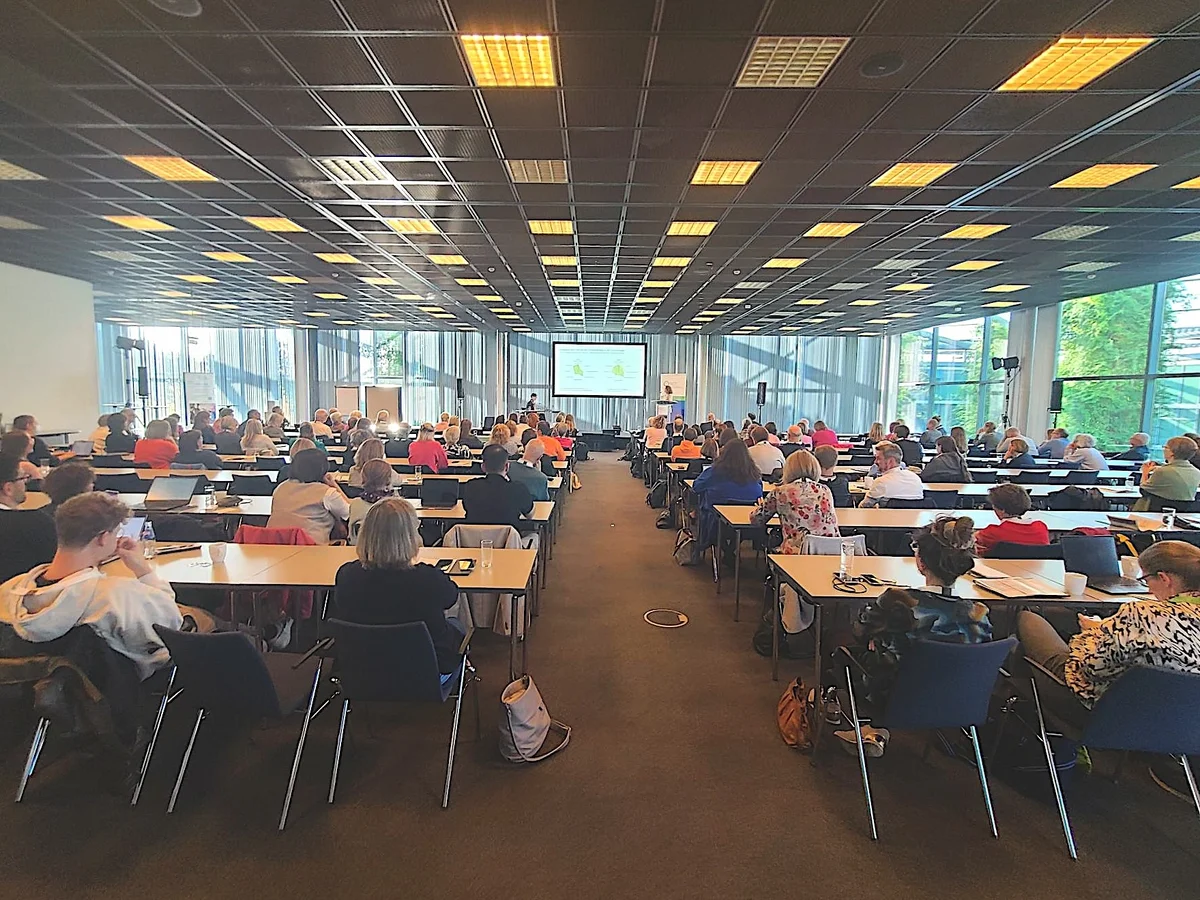
“How can progress be achieved together?” At two events in September, GHGA discussed this question with patients and caregivers suffering from rare diseases and cancer. The consensus was that shared data forms the basis for innovation in care and research.
Learn more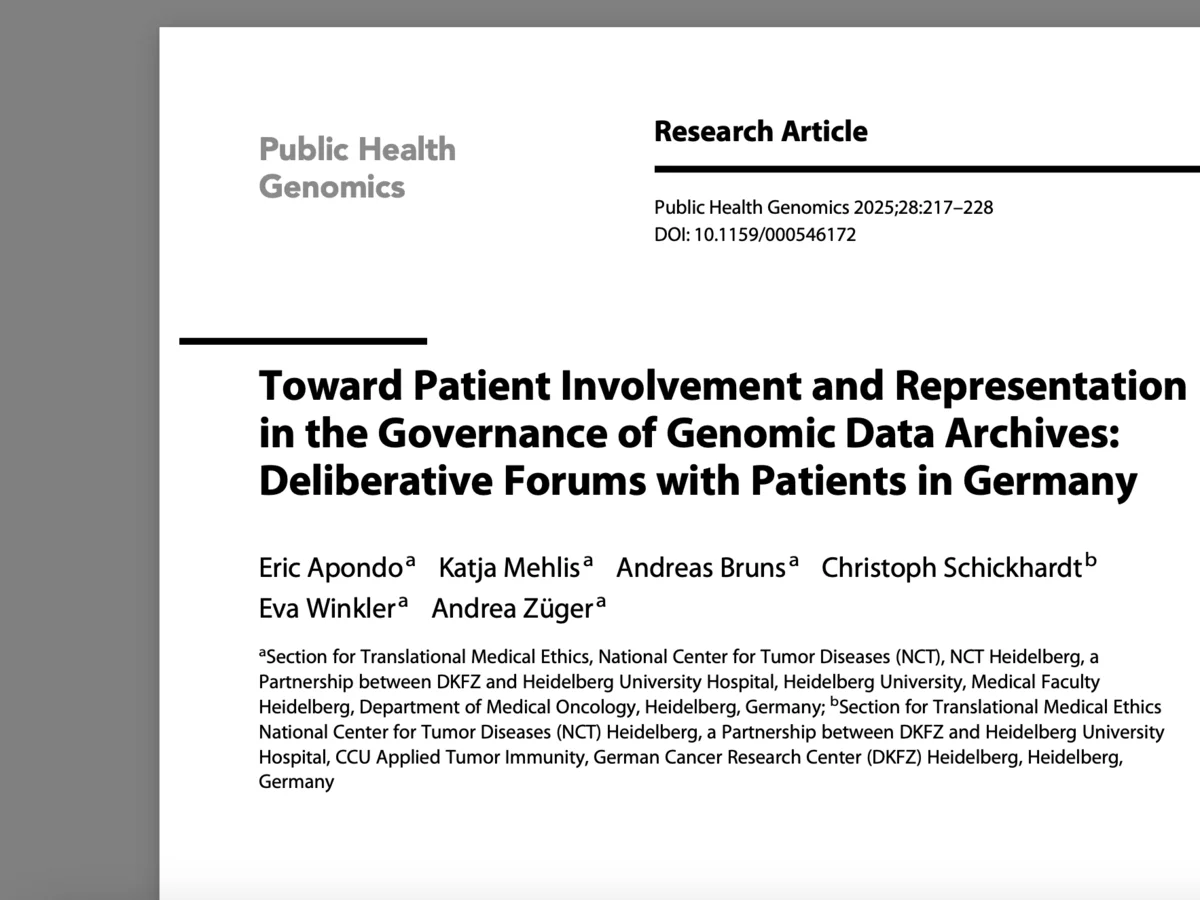
GHGA’s PaGODA study, which explored how patients can be meaningfully involved in the governance of genomic data, has now been published in Public Health Genomics.
Learn more
How to talk in an accessible and emphatic way about the sharing of genetic data? GHGA consulted patients, relatives and interested persons - and gained valuable insights.
Learn more
Discussion around expectations and needs towards patient communication. The aim is to build a comprehensive online information hub for patients, care-givers, and the interested public. Registration for focus groups is open.
Learn more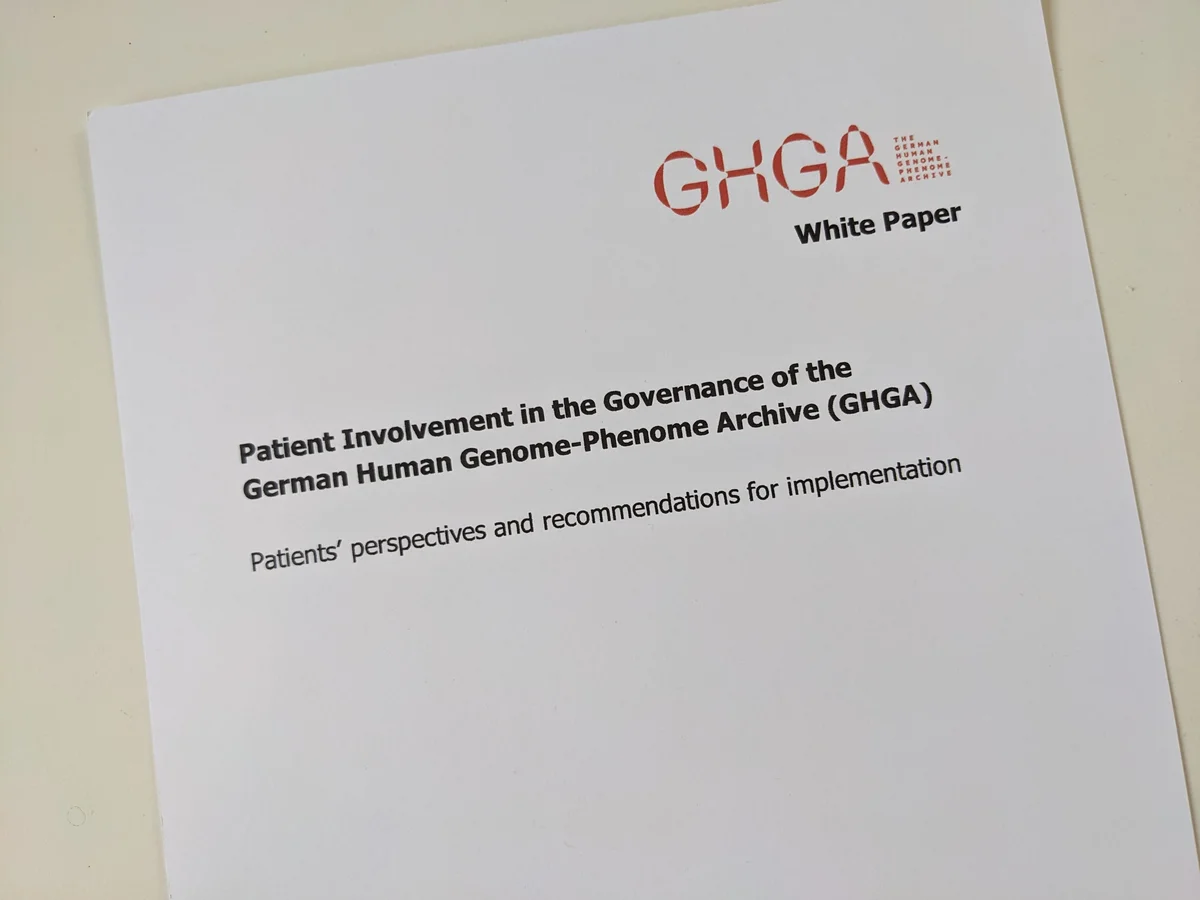
In a recently published white paper, we summarise the results of the PaGODA-Study and present a concept with concrete steps for implementation of meaningful patient involvement in the governance of GHGA.
Learn more
In early March, GHGA continued its dialogue with patients on the implementation of effective patient participation in GHGA. The consensus-building meeting focused on a recruitment strategy for patient representatives and outreach objectives.
Learn more
In early July, GHGA met with patients to understand their perspective on GHGA governance, particularly in terms of genomic data sharing. Based on these discussions a concrete strategy for patient participation will be developed.
Learn more
Within a participatory study, GHGA will hold deliberative democratic forums exploring the patients’ perspectives and which concrete roles patients could take within GHGA governance.
Learn more